




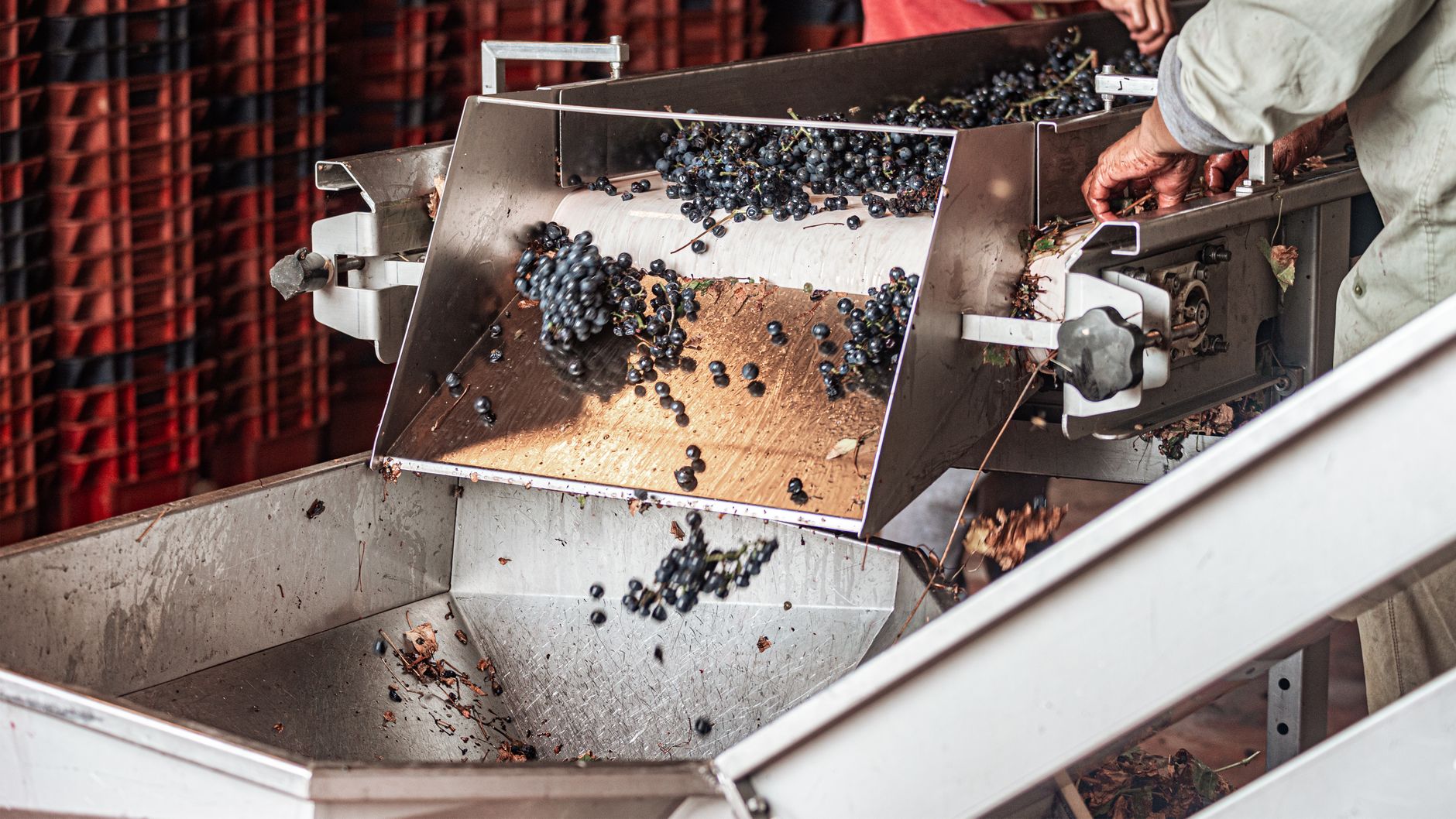
CaliforniaWineShift is transforming the industry. The Valley’s Secret Weapon: How Coastal Wineries Are Turning to Central Valley Innovation
California’s CaliforniaWineShift is redefining wine country-not just as a coastal phenomenon, but as a statewide opportunity. The exodus of vineyards from pricy, water-strapped coastal regions has created an unexpected alliance between tradition and innovation in the Central Valley, where climate resilience meets cost efficiency.
CaliforniaWineShift keeps reshaping this space, and The financial calculus is undeniable: In 2023, Napa Valley lost 15% of its vineyard acreage to urban sprawl, land that would’ve cost producers $8,000+ per acre. Meanwhile, in Fresno County’s Clovis district, growers secured irrigation permits for 2,000 acres at a fraction of the price-while maintaining water rights through California’s State Water Project. The disparity is stark: Coastal Mendocino County vineyards face production costs of $3,500 per ton, while Madera County’s average sits at just $1,800-a 60% savings that directly impacts profitability.
CaliforniaWineShift keeps reshaping this space, and This shift isn’t about cutting corners; it’s about survival and strategy. A viticulturist from Napa admitted during a 2025 agricultural symposium that his team now tests cold-hardy clones like Cabernet Sauvignon “Vineyard Select” in the San Joaquin Valley to mitigate frost risks that plague coastal sites. The water advantage alone is telling: During California’s 2023 drought, Lodi’s Zinfandel plantings maintained 95% yield while neighboring Santa Barbara vineyards struggled without supplemental irrigation. Here, resilience isn’t luck-it’s engineered.
CaliforniaWineShift: Hybrid Clones Redefining Terroir
CaliforniaWineShift keeps reshaping this space, and The Valley’s most revolutionary contribution is its willingness to embrace grape varieties and clones that would fail on the coast. Mirabelle Vineyards, once a raisin-focused operation, now crafts “Valley Red”-a Zinfandel-Cabernet cross ripening in just 100 days (two weeks faster than coastal Zins). The result? Bold structure with dark fruit intensity, all while using 25% less water per ton.
CaliforniaWineShift keeps reshaping this space, and Tres Vientos Winery’s “Climate Adaptive” portfolio takes this further: Their Grenache-Roussanne blend, grown on drought-resistant rootstocks in Hanford, achieves higher sugar levels without over-ripening-something impossible for traditional Grenache in cooler coastal microclimates. These wines are now reserved by Bay Area sommeliers precisely because they handle heatwaves that would ruin Bordeaux varieties.
CaliforniaWineShift: The Valley’s Mixed Bag: Opportunity and Overreach
CaliforniaWineShift keeps reshaping this space, and The Central Valley isn’t a one-size-fits-all success story. Tulare County’s Zinfandel dominance shows how precision agronomy (north-facing slopes, reflective mulch) can rival Napa’s complexity-but not every experiment thrives. The 2023 Lodi frost event exposed vulnerabilities: While most vineyards survived with wind machines, Grenache plantings near Porterville lost crops due to poor microclimate planning.
Corporate players like Gallo are leveraging this shift aggressively. Their $125 million investment in Valley infrastructure (including solar-powered irrigation) reduced evaporation losses by 30% while cutting coastal shipping costs. The data confirms the trend: Between 2015 and 2025, Valley vineyard plantings surged from 8% to 19% of California’s total-outpacing even Sonoma County. Yet quality isn’t compromised: A 2025 Wine Business Monthly analysis found that 68% of California’s “best-value” red blends (90+ points) now come from Valley vineyards.
CaliforniaWineShift: Quality Beyond the Myth
The misconception that Valley wines are “cheap” is fading. Tuscan Winery’s Merced Cabernet ($25) delivers 14.8% alcohol with a cleaner acid backbone than many coastal bottles at double the price. Mirabelle Vineyards’ carbon farming program sequesters CO₂ while enhancing fruit vibrancy-and their 2024 Zinfandel-Cabernet blend outshined $35 Napa bottles in blind tastings.
Josh Jensen of Blackstone Winery proves even “old Valley” vineyards (70-year-old Zinfandels) can compete. Their $48-$65 bottles sell faster than expected, debunking the idea that age requires coastal fog. The Valley’s secret? Deep soils (10+ feet), irrigation control, and climate-adaptive clones-elements creating a distinct “terroir” of resilience.
CaliforniaWineShift: What This Means for Wine Buyers
The CaliforniaWineShift offers transparency and choice. When evaluating wines from the Valley, ask:
- Soil depth/management: Look for terracing or reflective surfaces (common in San Joaquin Valley).
- Water practices: Terms like “deficit irrigation” or “drip systems” signal efficiency.
- Climate tech: Frost protection, shade cloth, or wind machines are now standard.
The future isn’t binary: It’s coastal + Valley collaboration. As Wine Spectator’s 2025 survey showed, 78% of California wineries now blend both regions-Valley for volume/consistency; coast for rarity/complexity. The result? A wine world where quality isn’t about geography alone-but intention.
Beyond the Bottle: Economic and Environmental Ripples
The Valley’s transformation extends beyond vineyards. Fresno County saw a 42% rise in wine-related jobs (2015-2025), while Highway 99’s expansion cut shipping costs by 40%. Universities now train “climate-smart viticulturists,” and Kern County hosts festivals drawing 15,000 attendees annually.
Climate change isn’t just a challenge-it’s a catalyst. California’s approach (drought-resistant rootstocks, precision irrigation) is being studied globally. Madera County’s Living Soil Initiative reduced erosion by 60%, improving phenolic ripeness-innovations now adopted in Napa as coastal water restrictions tighten.
The Next Decade: A New Wine Frontier
By 2030, analysts predict 45% of California’s high-quality red grapes will come from the Valley. New varieties like Tempranillo (Kern County) and Grenache Blanc (Lodi) are joining traditionals, while “Valley + Coastal” blends (like Clovis Cabernet or Tulare’s Chardon) are redefining quality perceptions.
As one producer put it: *“We’re not replacing Napa-we’re proving great wine can be made anywhere if you respect the land.”* The CaliforniaWineShift isn’t an either-or; it’s a both-and-the future of California wine, written in rows of resilient vines and innovation.


